
Router Bits
Freud Router Bits For Cabinet Door Making
Freud Router Bits For Cabinet Door Making
Quick Summary
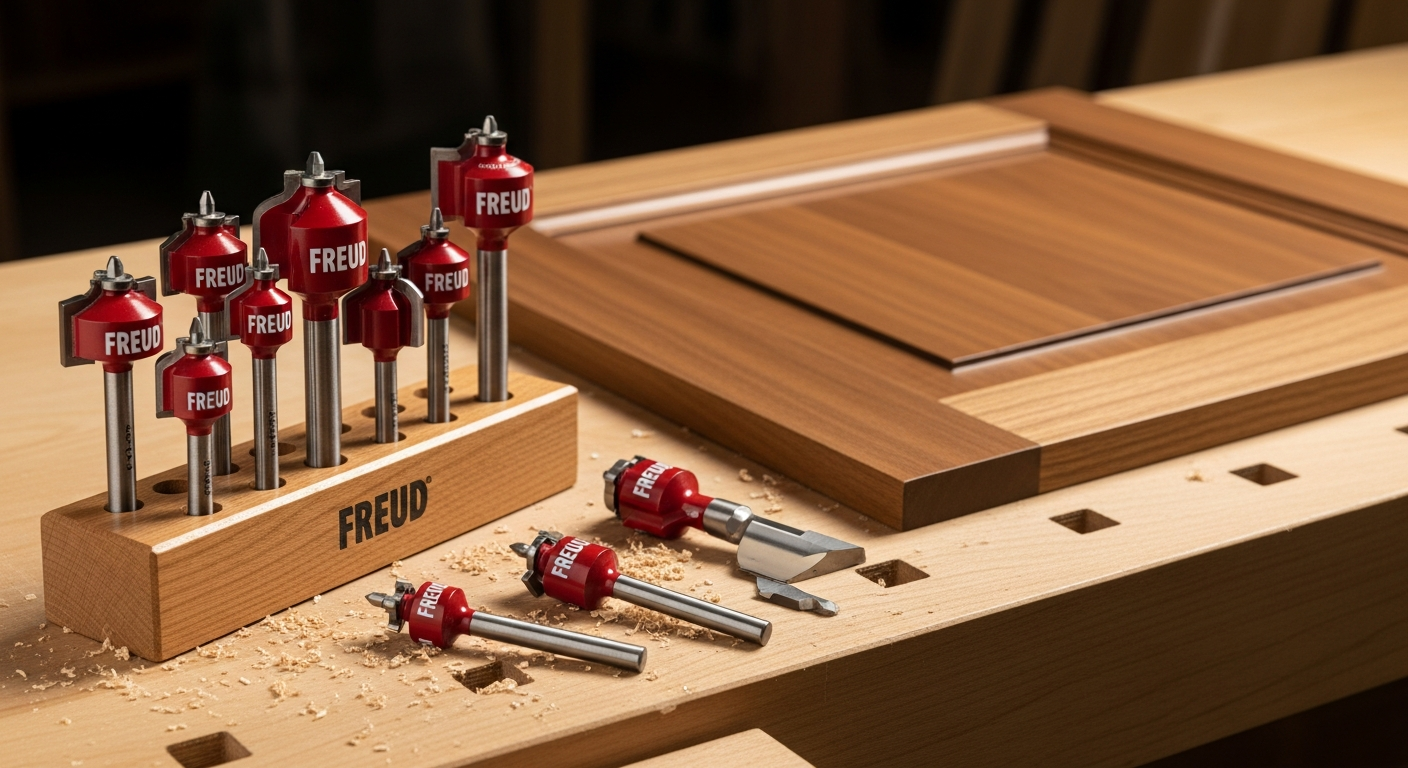
Creating custom cabinet doors is a rewarding woodworking project, and choosing the right router bits is essential for achieving professional results. Freud offers a wide range of router bits specifically designed for cabinet door making, catering to various styles and skill levels. This guide provides a comprehensive overview of Freud router bits for cabinet doors, exploring different types, features, and sets available. We'll delve into the specifics of rail and stile bits, raised panel bits, and more, helping you select the perfect tools for your next project. For example, JMP Wood offers Freud Cabinet Door Making Sets starting at $209.97 (sale price) for a 3-piece set, going up to $314.97 for a 5-piece set (prices as of October 2024). This guide will empower you to make informed decisions and elevate the quality of your cabinet door creations.
Table of Contents
- Introduction: Why Freud Router Bits for Cabinet Doors?
- Understanding the Basics of Cabinet Door Router Bits
- Rail and Stile Router Bits: The Foundation of Cabinet Doors
- Raised Panel Router Bits: Adding Depth and Dimension
- Choosing the Right Freud Cabinet Door Router Bit Set
- Tips for Success: Using Freud Router Bits Effectively
- Maintenance and Care for Long-Lasting Performance
Introduction: Why Freud Router Bits for Cabinet Doors?
Cabinet doors are a focal point of any kitchen, bathroom, or built-in furniture. The quality of the doors significantly impacts the overall aesthetic and functionality of the space. Creating your own cabinet doors allows for customization and can be a cost-effective alternative to purchasing pre-made options. However, achieving professional-looking results requires the right tools, and Freud router bits are a popular choice among woodworkers for their precision, durability, and innovative designs.
Freud has a long-standing reputation for producing high-quality cutting tools. Their router bits are known for their sharp cutting edges, durable construction, and innovative features like the Quadra-Cut™ design, which minimizes tear-out and produces exceptionally smooth finishes. Whether you're a seasoned professional or a DIY enthusiast, Freud router bits can help you create stunning cabinet doors with ease and precision.
This guide will explore the various types of Freud router bits specifically designed for cabinet door making, providing you with the knowledge and resources to choose the best options for your projects. We'll cover everything from selecting the right rail and stile bits to understanding the nuances of raised panel profiles, ensuring that you're well-equipped to tackle any cabinet door project with confidence.
Understanding the Basics of Cabinet Door Router Bits
Before diving into specific Freud router bit sets, it's important to understand the fundamental components of a cabinet door and the corresponding router bits used to create them. A typical cabinet door consists of the following:
- Rails: The horizontal pieces that form the top and bottom of the door frame.
- Stiles: The vertical pieces that form the sides of the door frame.
- Panel: The center piece that fills the space within the frame. This can be a solid wood panel, a plywood panel, or even a glass insert.
To create these components, you'll primarily use the following types of router bits:
- Rail and Stile Bits: These bits are used to create the interlocking profiles on the rails and stiles that join together to form the door frame.
- Raised Panel Bits: These bits are used to create the decorative profile on the panel, giving it a raised or contoured appearance.
- Panel Raising Bits (for Flat Panels): While raised panel bits create a profile, other bits can be used to create a groove to accept a flat panel.
- Glass Panel Bits: Specifically designed to create the rabbet for glass panel inserts.
- Edge Forming Bits: These bits can be used to add decorative edges to the rails, stiles, or panel.
Understanding the function of each type of bit is crucial for selecting the appropriate tools for your specific cabinet door design. Freud offers a variety of options within each category, allowing you to achieve a wide range of styles and effects.
Rail and Stile Router Bits: The Foundation of Cabinet Doors
Rail and stile bits are arguably the most important router bits for cabinet door making, as they create the essential joinery that holds the door frame together. These bits typically come in matched sets, with one bit designed to cut the profile on the rails and the other to cut the mating profile on the stiles. When joined together, these profiles create a strong and seamless connection.
Freud offers a variety of rail and stile bit sets, each with its own unique profile and features. Some popular options include:
- Traditional Rail and Stile Bits: These sets create classic, timeless profiles that are suitable for a wide range of cabinet styles.
- Ogee Rail and Stile Bits: Ogee profiles feature a graceful S-curve, adding a touch of elegance to your cabinet doors.
- Cove Rail and Stile Bits: Cove profiles offer a more subtle and rounded look, creating a softer and more contemporary feel.
- Adjustable Rail and Stile Bits: These versatile sets allow you to adjust the width of the tongue and groove, accommodating different wood thicknesses and ensuring a perfect fit. According to JMP Wood, Freud's Premier Adjustable Rail & Stile Bits feature long tenon technology for stronger joints.
When choosing a rail and stile bit set, consider the following factors:
- Profile: Select a profile that complements the overall style of your cabinets and your personal preferences.
- Wood Thickness: Ensure that the bit set is compatible with the thickness of the wood you'll be using. Adjustable sets offer greater flexibility in this regard.
- Shank Size: Most rail and stile bits have a 1/2" shank, which is suitable for larger routers. However, some sets may have a 1/4" shank, which is compatible with smaller routers.
- Material: Freud router bits are typically made from high-quality carbide, which provides excellent durability and long-lasting sharpness.
JMP Wood offers several Freud Premier Adjustable Cabinet Bit Sets, including 3-piece and 5-piece options. These sets combine rail and stile bits with raised panel bits for a complete cabinet door making solution.
Raised Panel Router Bits: Adding Depth and Dimension
Raised panel bits are used to create the decorative profile on the center panel of a cabinet door. These bits come in a wide variety of shapes and sizes, allowing you to add depth, dimension, and visual interest to your cabinet doors. Freud's Quadra-Cut™ design is a notable feature of their raised panel bits, designed to reduce tear-out and leave a superior finish.
Some common types of raised panel profiles include:
- Traditional Raised Panels: These panels feature a gently sloping profile that transitions smoothly from the flat center to the raised edge.
- Ogee Raised Panels: Similar to ogee rail and stile bits, these panels feature an S-curve profile for a more elegant and refined look.
- Cove Raised Panels: Cove panels have a rounded profile, creating a softer and more contemporary aesthetic.
- Bevel Raised Panels: Bevel panels feature a straight, angled cut, offering a more modern and geometric appearance.
In addition to profile, consider the following factors when choosing a raised panel bit:
- Panel Thickness: Ensure that the bit is compatible with the thickness of your panel material.
- Backcutter: Some raised panel bits feature a backcutter, which creates a rabbet on the back of the panel, allowing it to fit neatly into the frame. JMP Wood lists "Freud Raised Panel with Backcutters Router Bits" as a product they sell.
- Vertical vs. Horizontal Use: Some raised panel bits are designed for use in a router table (vertical), while others are designed for use with a handheld router (horizontal). Choose the appropriate bit based on your equipment and preferences.
- Diameter: Larger diameter bits can create more dramatic and complex profiles, but they also require more powerful routers.
Freud also offers specialized bits for creating flat panel doors. These bits typically cut a groove into the rails and stiles to accept a flat panel insert, such as plywood or MDF.
Choosing the Right Freud Cabinet Door Router Bit Set
Selecting the right Freud router bit set for your cabinet door project depends on several factors, including your skill level, the desired style of your doors, and your budget. Here's a breakdown of how to choose the best set for your needs:
- Assess Your Skill Level: If you're a beginner, start with a basic set that includes a traditional rail and stile bit and a simple raised panel bit. As you gain experience, you can expand your collection with more specialized bits.
- Determine Your Desired Style: Consider the overall aesthetic you're trying to achieve in your kitchen or bathroom. Choose rail and stile and raised panel profiles that complement the existing décor.
- Consider the Scope of Your Project: If you're only making a few cabinet doors, a smaller set with essential bits may suffice. However, if you're planning to make a large number of doors or tackle a variety of styles, a more comprehensive set is a better investment.
- Evaluate Your Router: Ensure that the shank size of the router bits is compatible with your router. Most Freud cabinet door bits have a 1/2" shank, but some smaller sets may have a 1/4" shank.
- Read Reviews and Compare Prices: Before making a purchase, read reviews from other woodworkers to get an idea of the quality and performance of different Freud router bit sets. Compare prices from different retailers to find the best deal. JMP Wood, for example, often has sales and promotions on Freud router bits.
JMP Wood offers a variety of Freud Cabinet Door Making Sets, which combine rail and stile bits with raised panel bits. These sets provide a convenient and cost-effective way to acquire the essential tools for making cabinet doors. Here's a sample of the sets they offer and their prices (as of October 2024):
| Set Name | Description | Sale Price | Regular Price |
|---|---|---|---|
| (94-150) 5 Piece Premier Adjustable Cabinet Bit Set | Includes adjustable rail and stile bits and a raised panel bit. | $314.97 | $480.28 |
| (97-150) 3 Piece Premier Adjustable Cabinet Bit Set | Includes adjustable rail and stile bits and a raised panel bit. | $209.97 | N/A |
| (97-154) 3 Piece Premier Adjustable Cabinet Bit Set | Includes adjustable rail and stile bits and a raised panel bit. | $209.97 | N/A |
| Freud Glass Panel Cabinet Door Set Router Bits | Designed for creating doors with glass panel inserts. | $209.97 | $262.09 |
Remember to check the retailer's website for the most up-to-date pricing and availability.
Tips for Success: Using Freud Router Bits Effectively
To achieve the best results with your Freud router bits, follow these tips:
- Use the Right Router Speed: Refer to the manufacturer's recommendations for the appropriate router speed for each bit. Using the wrong speed can lead to poor cuts, excessive vibration, and even damage to the bit.
- Make Multiple Passes: For deep or complex profiles, it's best to make multiple shallow passes rather than trying to remove all the material in one pass. This will reduce stress on the bit and produce a cleaner cut.
- Feed the Router Smoothly and Steadily: Avoid jerky or uneven movements, as this can cause tear-out and inconsistent results. Maintain a consistent feed rate for a smooth and professional finish.
- Use a Router Table: A router table provides a stable and controlled platform for routing, especially for larger workpieces like cabinet doors.
- Use Featherboards and Hold-Downs: Featherboards and hold-downs help to keep the workpiece firmly against the fence and the table, ensuring consistent cuts and preventing kickback.
- Wear Safety Glasses and Hearing Protection: Routing can be a noisy and dusty process, so it's essential to wear appropriate safety gear to protect your eyes and ears.
By following these tips, you can maximize the performance of your Freud router bits and create beautiful and durable cabinet doors.
Maintenance and Care for Long-Lasting Performance
Proper maintenance and care are essential for extending the life of your Freud router bits and maintaining their cutting performance. Here are some tips for keeping your bits in top condition:
- Clean Your Bits Regularly: After each use, clean your router bits with a brush and solvent to remove any accumulated resin, pitch, or sawdust.
- Store Your Bits Properly: Store your router bits in a dedicated case or rack to protect them from damage and prevent them from coming into contact with other tools.
- Sharpen Your Bits When Necessary: Even the highest quality router bits will eventually become dull with use. When you notice a decrease in cutting performance, have your bits professionally sharpened.
- Inspect Your Bits Regularly: Before each use, inspect your router bits for any signs of damage, such as cracks, chips, or excessive wear. Replace any damaged bits immediately.
- Use a Router Bit Cleaner: Consider using a specialized router bit cleaner to remove stubborn residue and prevent rust.
By following these maintenance and care tips, you can ensure that your Freud router bits will provide years of reliable service.
Frequently Asked Questions
What is the best type of router bit for making cabinet doors?
The best type of router bit for making cabinet doors depends on the style of door you want to create. Rail and stile bits are essential for creating the frame, while raised panel bits add the decorative profile to the center panel. Freud offers a wide range of options within each category, allowing you to achieve a variety of styles.
What is the difference between a rail bit and a stile bit?
Rail bits are designed to cut the profile on the horizontal rails of the cabinet door frame, while stile bits are designed to cut the mating profile on the vertical stiles. When joined together, these profiles create a strong and seamless connection.
What is a raised panel bit used for?
A raised panel bit is used to create the decorative profile on the center panel of a cabinet door, giving it a raised or contoured appearance. These bits come in a wide variety of shapes and sizes, allowing you to add depth, dimension, and visual interest to your doors.
What is the best way to clean router bits?
The best way to clean router bits is to use a brush and solvent to remove any accumulated resin, pitch, or sawdust after each use. You can also use a specialized router bit cleaner to remove stubborn residue and prevent rust.
How often should I sharpen my router bits?
The frequency with which you need to sharpen your router bits depends on how often you use them and the type of material you're cutting. When you notice a decrease in cutting performance, it's time to have your bits professionally sharpened.
Where can I buy Freud router bits for cabinet door making?
Freud router bits are available from a variety of retailers, including online woodworking suppliers like JMP Wood JMP Wood and directly from Freud Tools Freud Tools. You can also find them at many local woodworking stores and home improvement centers.