
Router Bits
Shaper Cutter Set For Making Cabinet Door Profiles
Shaper Cutter Set For Making Cabinet Door Profiles
Quick Summary
Creating custom cabinet doors can significantly enhance the aesthetic and value of any kitchen or home. A shaper cutter set designed for crafting cabinet door profiles is an invaluable tool for achieving professional-grade results. This guide provides a comprehensive overview of shaper cutter sets, focusing on their components, types, applications, and factors to consider when selecting the right set for your woodworking needs. Whether you're aiming for a classic Shaker style or an ornate raised panel design, understanding the nuances of shaper cutters will empower you to create stunning cabinet doors. Pricing for shaper cutter sets can range from a few hundred dollars for basic sets to over a thousand for comprehensive, insert-style systems. This guide will help you navigate the options available from vendors like Woodline USA and MyWoodcutters.com, ensuring you make an informed decision that aligns with your project requirements and budget.
Table of Contents
Introduction to Shaper Cutter Sets
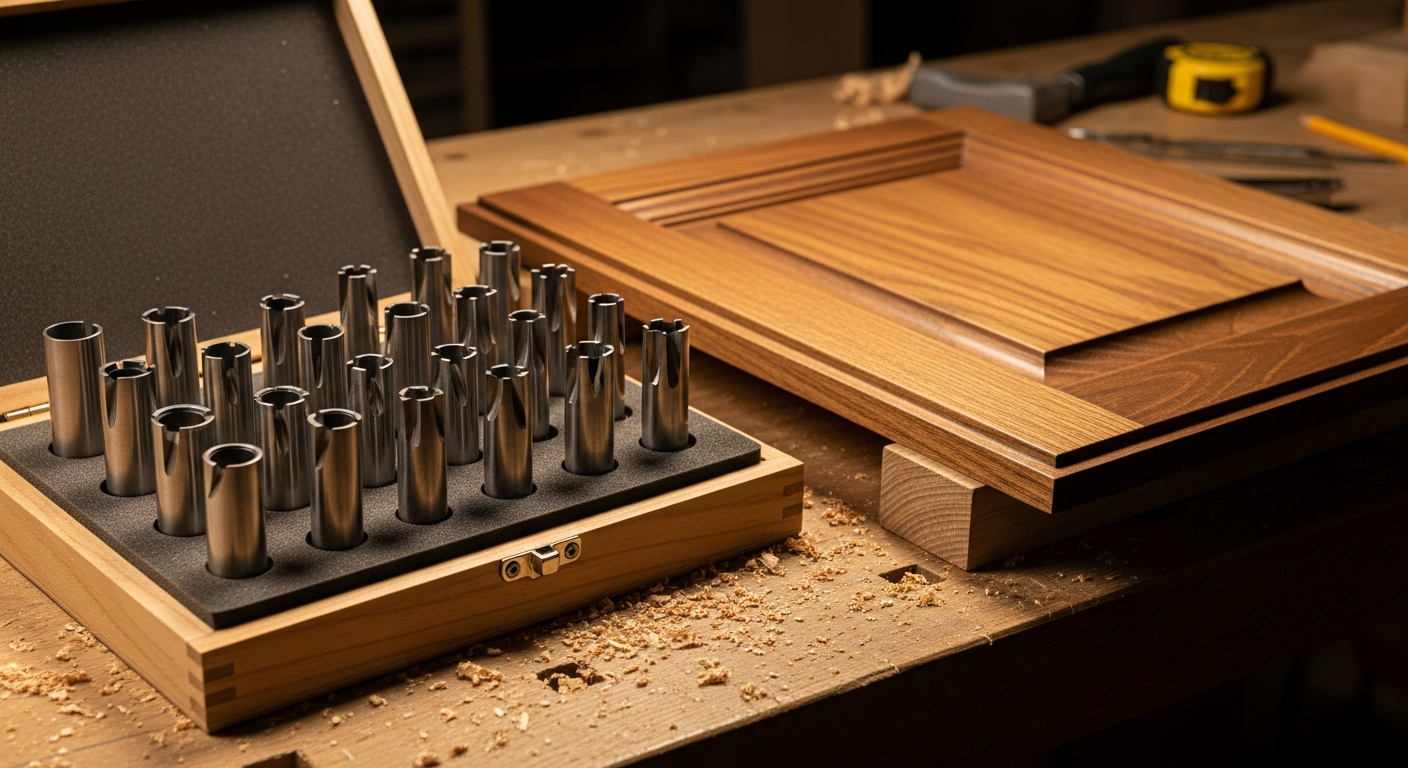
A shaper cutter set is a collection of specialized cutting tools designed for use with a wood shaper. These sets are primarily used to create decorative edges, profiles, and joinery on wood pieces, especially for crafting cabinet doors. Cabinet doors are a focal point in any kitchen or built-in furniture, and achieving a professional look requires precision and the right tools. Shaper cutters offer a versatile solution for creating a wide range of door styles, from simple, clean lines to intricate, ornate designs.
Unlike router bits, which are used with handheld or table-mounted routers, shaper cutters are typically larger and more robust, designed for use in heavier-duty machines. This allows for more aggressive cuts and the ability to work with larger stock. Shaper cutters are also more customizable, with options for different insert knives and adjustable features to achieve specific profiles.
This guide will delve into the various aspects of shaper cutter sets for cabinet doors, covering their components, different types, how to select the right set for your needs, safety considerations, maintenance tips, and an overview of popular cabinet door profiles. Whether you're a professional cabinet maker or a serious woodworking enthusiast, understanding shaper cutters will help you elevate the quality and craftsmanship of your projects.
Understanding Shaper Cutters for Cabinet Doors
Before diving into the specifics of shaper cutter sets, it's essential to understand the individual components and their functions. A typical shaper cutter set for cabinet doors will include cutters for creating the stile and rail profiles, as well as cutters for producing the raised panel or the groove for a flat panel.
Key Components of a Shaper Cutter Set
- Stile Cutters: These cutters create the vertical frame pieces of the cabinet door. The stile cutter typically creates a profile on the edge of the wood and a groove (or rabbet) to accept the panel.
- Rail Cutters: These cutters create the horizontal frame pieces of the cabinet door. Like the stile cutter, the rail cutter forms a profile and a groove to hold the panel.
- Panel Raisers: These cutters are used to create the raised panel, which fits inside the frame created by the stiles and rails. Panel raisers come in various profiles, from simple bevels to complex ogee curves.
- Groove Cutters: For flat panel doors, groove cutters create the necessary groove in the stiles and rails to accept the flat panel (typically plywood or MDF).
- Shims and Spacers: These are used to adjust the height and position of the cutters on the shaper spindle, allowing for fine-tuning of the profile and ensuring a perfect fit.
Materials and Construction
Shaper cutters are typically made from high-speed steel (HSS) or carbide-tipped steel. Carbide-tipped cutters are more durable and can maintain their sharpness for a longer period, especially when working with hardwoods or abrasive materials like MDF. While HSS cutters are less expensive, they require more frequent sharpening. According to Woodline USA, they manufacture quality carbide tipped and solid carbide router bits and shaper cutters.
The construction of the cutter is also important. Look for cutters with a solid, well-balanced body to minimize vibration and ensure smooth, accurate cuts. Some cutters feature an anti-kickback design, which helps to prevent the workpiece from being thrown back towards the operator.
Bore Size
The bore size of the cutter refers to the diameter of the hole in the center of the cutter, which mounts onto the shaper spindle. Common bore sizes include 3/4" and 1-1/4". Ensure that the cutter set you choose is compatible with your shaper's spindle size. MyWoodcutters.com sells various shaper cutter heads with different bore sizes, including 3/4" and 1-1/4".
Types of Shaper Cutter Sets for Cabinet Doors
Shaper cutter sets come in various configurations, each designed for specific applications and woodworking styles. Understanding the different types will help you choose the set that best suits your needs.
Stile and Rail Sets
These sets are the foundation for creating traditional frame-and-panel cabinet doors. They include two cutters: one for the stiles (vertical pieces) and one for the rails (horizontal pieces). The cutters are designed to create a matching profile and a groove or rabbet to accept the panel. Stile and rail sets are available in various profiles, such as Shaker, ogee, and raised panel.
Woodline USA offers a variety of stile and rail shaper cutter sets, including adjustable mission/Shaker style sets for 3/4" to 1" material, and reversible rail & stile shaper cutters.
Panel Raising Sets
Panel raising sets are specifically designed for creating raised panels, which add depth and visual interest to cabinet doors. These sets typically include one or more cutters that create a decorative edge on the panel, as well as a back cutter to reduce the thickness of the panel's edge, allowing it to fit snugly into the groove in the stiles and rails. Panel raisers come in a wide range of profiles, from simple bevels to elaborate ogee and cove designs.
Woodline USA also carries panel raiser shaper cutters and even undercutters for panel raiser shaper cutters.
Reversible Sets
Reversible shaper cutter sets are designed to create both the stile and rail profiles with a single set of cutters. These sets feature a reversible design, allowing you to create the matching profiles by simply flipping the cutters or adjusting the shaper's fence. Reversible sets are a cost-effective option for those who want to create a variety of cabinet door styles without investing in multiple sets of cutters.
An example of this type of set available from Woodline USA is the reversible rail & stile shaper cutter.
Insert Cutter Sets
Insert cutter sets utilize a cutter head with replaceable carbide inserts. These inserts are held in place with screws and can be easily replaced when they become dull or damaged. Insert cutter sets offer several advantages over traditional brazed cutters, including longer lifespan, reduced sharpening costs, and the ability to change profiles by simply swapping out the inserts. MyWoodcutters.com offers Titan Heavy Duty Insert Heads that allow the user to change the insert knives to create different profiles.
Adjustable Sets
Adjustable shaper cutter sets offer the flexibility to create a wide range of profiles with a single set of cutters. These sets feature adjustable components that allow you to change the height, depth, and angle of the cut, allowing you to create custom profiles to suit your specific needs. Adjustable sets are a great option for woodworkers who want to experiment with different designs and create unique cabinet door styles.
Selecting the Right Shaper Cutter Set
Choosing the right shaper cutter set is crucial for achieving the desired results and ensuring a smooth and safe woodworking experience. Here are some factors to consider when selecting a shaper cutter set:
Project Requirements
Consider the types of cabinet doors you plan to make. Are you primarily interested in creating traditional frame-and-panel doors with raised panels, or do you prefer the clean lines of flat panel doors? Do you want to create a variety of different profiles, or are you focused on a specific style? Understanding your project requirements will help you narrow down your options and choose a set that meets your needs.
Shaper Compatibility
Ensure that the shaper cutter set you choose is compatible with your shaper. Check the spindle size and make sure that the cutters have the appropriate bore size. Also, consider the power and speed of your shaper. Larger cutters require more power and may not be suitable for smaller, less powerful shapers.
Material
The type of material you'll be working with will also influence your choice of shaper cutter set. If you primarily work with softwoods, HSS cutters may be sufficient. However, if you work with hardwoods or abrasive materials like MDF, carbide-tipped cutters are a better choice.
Quality and Durability
Invest in a high-quality shaper cutter set from a reputable manufacturer. Look for cutters with a solid, well-balanced body and sharp, durable cutting edges. While cheaper sets may be tempting, they may not provide the accuracy and longevity you need for professional-quality results.
Budget
Shaper cutter sets range in price from a few hundred dollars to several thousand dollars. Determine your budget and choose a set that offers the best value for your money. Keep in mind that investing in a higher-quality set may save you money in the long run by reducing the need for frequent replacements and sharpening.
| Cutter Type | Material | Typical Use | Approximate Price Range |
|---|---|---|---|
| Stile and Rail Set | Carbide-Tipped | Creating frame-and-panel doors | $200 - $800 |
| Panel Raising Set | Carbide-Tipped | Creating raised panels | $300 - $1200 |
| Insert Cutter Heads | Carbide Inserts | Versatile profiling with replaceable knives | $255 - $1104.50+ (Heads & Inserts) |
| Reversible Set | HSS or Carbide | Creating matching stile and rail profiles | $150 - $500 |
| Adjustable Set | Carbide-Tipped | Creating custom profiles | $400 - $1500 |
Using Shaper Cutters Safely and Effectively
Operating a wood shaper can be dangerous if proper safety precautions are not followed. Here are some essential safety tips to keep in mind when using shaper cutters:
Safety Gear
- Eye Protection: Always wear safety glasses or a face shield to protect your eyes from flying debris.
- Hearing Protection: Use earplugs or earmuffs to protect your hearing from the loud noise of the shaper.
- Dust Mask: Wear a dust mask or respirator to avoid inhaling wood dust, which can be harmful to your lungs.
Machine Setup
- Secure the Cutter: Ensure that the shaper cutter is properly mounted and secured on the spindle.
- Adjust the Fence: Adjust the fence to the correct position for the desired cut.
- Test Cuts: Always make test cuts on scrap wood to ensure that the cutter is properly aligned and the cut is accurate.
Operating Procedures
- Feed Direction: Always feed the workpiece against the rotation of the cutter. Feeding in the wrong direction can cause kickback and serious injury.
- Featherboards and Hold-Downs: Use featherboards and hold-downs to keep the workpiece firmly against the fence and table.
- Push Sticks and Blocks: Use push sticks and blocks to keep your hands away from the cutter.
- Avoid Overcuts: Avoid taking too much material in a single pass. Multiple light passes are safer and produce a cleaner cut.
- Stay Focused: Pay attention to the task at hand and avoid distractions.
General Safety Tips
- Read the Manual: Familiarize yourself with the shaper's operating manual and safety guidelines.
- Inspect Cutters: Regularly inspect cutters for damage or wear. Replace dull or damaged cutters immediately.
- Unplug the Machine: Always unplug the shaper before making any adjustments or changing cutters.
- Keep the Work Area Clean: Keep the work area clean and free of clutter.
Maintenance and Storage of Shaper Cutters
Proper maintenance and storage are essential for prolonging the life of your shaper cutters and ensuring optimal performance. Here are some tips to keep your cutters in top condition:
Cleaning
- Remove Resin and Pitch: Regularly clean your cutters to remove resin and pitch buildup. Use a specialized cutter cleaner or a mild solvent.
- Dry Thoroughly: After cleaning, dry the cutters thoroughly to prevent rust.
Sharpening
- Sharpen Regularly: Keep your cutters sharp to ensure clean, accurate cuts. Dull cutters can cause tear-out and increase the risk of kickback.
- Professional Sharpening: Consider having your cutters professionally sharpened by a qualified sharpening service.
Storage
- Store in a Dry Place: Store cutters in a dry place to prevent rust.
- Protective Cases: Use protective cases or sleeves to prevent damage to the cutting edges.
- Organize Cutters: Organize cutters in a way that makes it easy to find the one you need.
Cabinet Door Profiles and Styles
The profile of a cabinet door refers to the shape and design of the edges and panels. Different profiles can create a wide range of styles, from traditional to contemporary. Here are some popular cabinet door profiles and styles:
Shaker
Shaker-style cabinet doors are characterized by their simple, clean lines and flat center panel. This style is timeless and versatile, working well in both traditional and contemporary kitchens. Shaker doors are typically made with a simple square or slightly rounded edge profile.
Raised Panel
Raised panel cabinet doors feature a center panel that is raised above the surrounding frame. This style adds depth and visual interest to the doors and is often used in traditional kitchens. Raised panels can have a variety of profiles, such as ogee, cove, and beaded.
Flat Panel
Flat panel cabinet doors have a center panel that is flush with the surrounding frame. This style is often used in contemporary kitchens and is characterized by its clean, minimalist look. Flat panel doors can have a square edge or a slightly rounded edge.
Ogee
The ogee profile features a graceful S-shaped curve. This profile is often used on raised panels and door edges to add a touch of elegance and sophistication.
Beaded
Beaded cabinet doors feature a decorative bead along the inside edge of the frame. This style adds a touch of detail and texture to the doors and is often used in traditional kitchens.
Cathedral
Cathedral style doors have an arched or curved top panel, resembling a cathedral window. This style is often used in more traditional or formal kitchen designs.
Frequently Asked Questions
What is the difference between a shaper cutter and a router bit?
Shaper cutters are generally larger and more robust than router bits, designed for use in heavier-duty machines. They can handle more aggressive cuts and larger stock. Shaper cutters are also more customizable and often more expensive than router bits.
Are carbide-tipped shaper cutters worth the extra cost?
Yes, carbide-tipped shaper cutters are more durable and can maintain their sharpness for a longer period, especially when working with hardwoods or abrasive materials like MDF. While they are more expensive upfront, they can save you money in the long run by reducing the need for frequent replacements and sharpening.
What safety precautions should I take when using a wood shaper?
Always wear safety glasses, hearing protection, and a dust mask. Ensure the cutter is properly mounted and secured. Use featherboards and push sticks to keep your hands away from the cutter, and always feed the workpiece against the rotation of the cutter.
How do I choose the right shaper cutter set for my project?
Consider the types of cabinet doors you plan to make, the compatibility of the cutters with your shaper, the material you'll be working with, and your budget. Invest in a high-quality set from a reputable manufacturer.
What is an insert cutter head?
An insert cutter head utilizes replaceable carbide inserts held in place with screws. These inserts can be easily replaced when dull, offering longer lifespan and reduced sharpening costs. MyWoodcutters.com offers Titan Heavy Duty Insert Heads.
How often should I sharpen my shaper cutters?
The frequency of sharpening depends on the type of material you're working with and the amount of use the cutters get. Regularly inspect your cutters for dullness and sharpen them as needed to ensure clean, accurate cuts. Consider professional sharpening for best results.
What is the best way to store shaper cutters?
Store cutters in a dry place to prevent rust. Use protective cases or sleeves to prevent damage to the cutting edges. Organize cutters in a way that makes it easy to find the one you need.